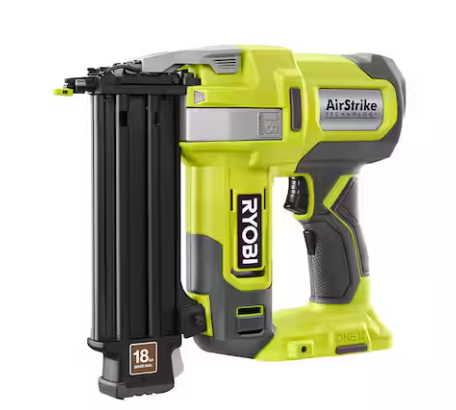
A pin nailer is a fastening tool that drives very thin, nearly headless pins into wood. Because the fasteners leave very small holes, pin nailers are commonly used for trim, small woodworking projects, decorative pieces, assemblies, and holding glued components in position while the adhesive dries.
The material is positioned and secured before the nailer is placed against the workpiece. When activated, the tool quickly drives a pin through the material. Pins provide relatively light holding power and are often used with wood glue rather than as the primary structural fastener.
Compatible Materials
Pin nailers are generally used with solid wood, plywood, MDF, trim, molding, and other approved wood products. The pin length should be selected for the thickness and type of material being joined. Pins that are too long can pass completely through the workpiece or deflect through its surface.
Before You Begin
Pin nailers can cause serious puncture injuries. Wear eye protection and never point the nailer toward yourself or another person, even when you believe it is unloaded. Keep your free hand away from the fastening area and never place fingers behind or underneath the workpiece where a pin could emerge.
Pins can follow wood grain, bend, or exit unexpectedly from the side of a workpiece. Disconnect the tool from its power or air source before loading fasteners, clearing jams, performing maintenance, or making adjustments as directed by the tool's manual.
New to pin nailing? Practice on scrap wood first to learn proper tool positioning, pin length selection, and safe hand placement before fastening a finished project.